
Yellow Giant Hyssop
Image
Reply


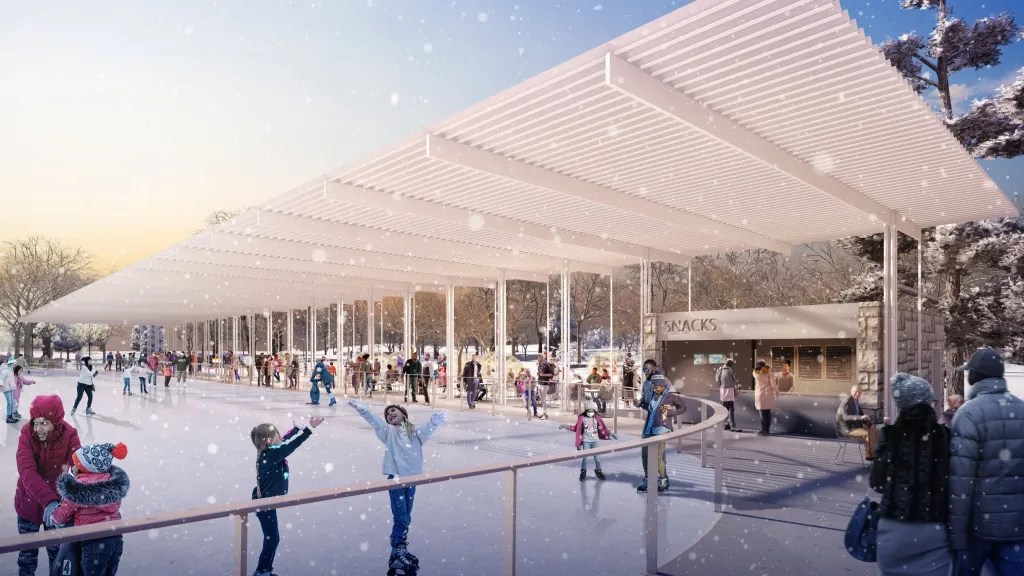
While we were gone this summer, Forest Park was buzzing. On the east side of the park, abutting Kingshighway sit 22.5 acres of park land that has been newly redubbed the Glade. With Steinberg ice rink at its heart this area has been reimagined as a venue for all seasons. $100M is being ploughed into this project that will restore this veteran ice rink to its former glory and then add new attractions that draw people all year long. Attractions include a water park and splash pad, restaurant and balcony overlooking the rink. Artist’s concepts below:

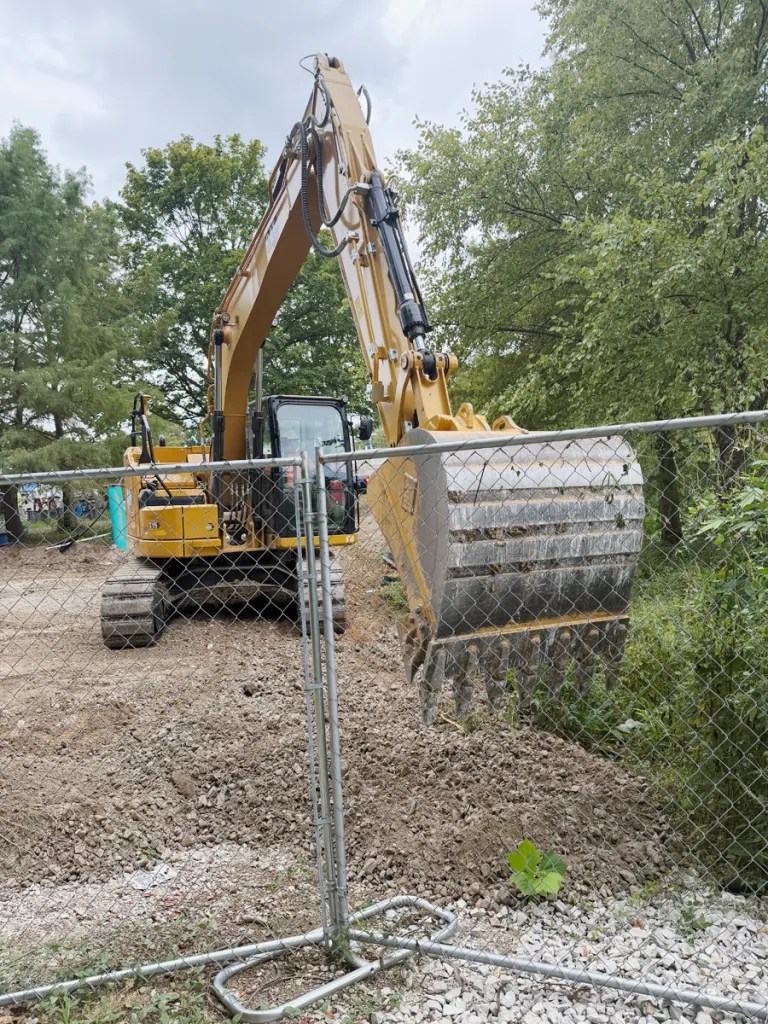
Work was still going great guns when we swung by the location yesterday but is scheduled to be done by the end of the year. The area under development is so large that we couldn’t get close enough for a decent view. We settled for walking through Klein Prairie and the neighboring boardwalk. Because construction has cutoff much of this area to pedestrian traffic, the place had a sort of empty, spooky vibe. Many of the native prairie grasses growing well and offered many unique and interesting photo-ops for just the two of us.

From 1776 to 1785, Benjamin Franklin (1706-1790) served as minister to France, representing the newly independent United States. To secure much-needed assistance from the French, Franklin framed the Revolution as a fight for shared values of liberty and independence. Jean-Antoine Houdon, a leading portrait sculptor in Paris, suggested Franklin’s personality through his facial expression, which evokes the statesman’s lively intellect, his benevolent warmth, and even a sparkle of sly wit. Houdon first sculpted Franklin in clay and then made many copies in plaster. This bust was likely first owned by a German prince who refused to send troops to fight for the British in North America.

Tanned hide with glass beads Rows of red, white, and blue beads forms US flags on the back of this vest. Flags became particularly widespread motifs in Plains art in the late 19th century, when the US sought to ban Indigenous religious observances, including the Sun Dance. State-sanctioned Fourth of July celebrations occurred during Sun Dance season, providing Native peoples opportunities to gather communally and maintain some aspects of this worship. Here, crossed poles form a four-direction symbol and evoke Plains cosmologies. The flag holds a wide range of associations within Native nations. For some individuals, the flag may symbolize oppression; for others, it embodies patriotism, especially for Native American soldiers, who have fought for the US military in every war since 1776.

